

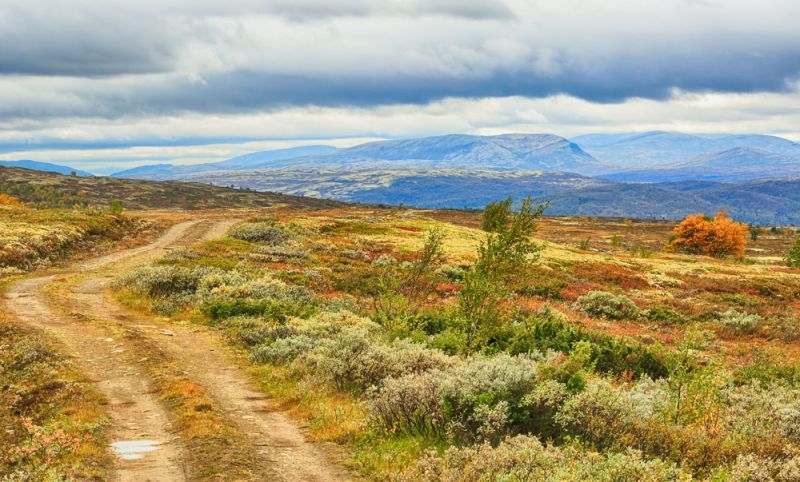
Fall is the season that changes national parks into something magical, where aspen trees turn golden, hardwood forests take on red and orange hues, there is increased wildlife activity, and the weather cools down to allow for enjoyable hiking. It all depends on your preferences in what type of experience you are looking for to pick the best park to visit during autumn. This article will help you do just that by listing you the best national parks to visit in fall.
When it comes to layered mountains and foliage season, Great Smoky Mountains National Park is one of the best national parks to enjoy in the fall season. Due to different elevation levels, it will take time for leaves to change their color: while higher parts of the park may get colorful in September, lower elevations become most colorful from mid-October until the first days of November.
Foothills Parkway can be chosen for driving around with views of the mountains, while walking on trails like Little River and Oconaluftee River trailheads allows you to appreciate leaves changing colors even more closely.
It is busy in October, so go there on weekdays and try to have an alternative plan just in case.
Shenandoah National Park is often one of the top national parks for fall foliage, especially for those looking for an enjoyable forest of colors without having to spend days doing challenging hiking. Skyline Drive follows the Blue Ridge Mountains and passes through various overlooks, offering amazing scenery during the autumn season.
Typically, the season is from late September until October, but the specific dates vary each year. There are several hiking trails ranging from short viewpoints to long hiking paths, such as waterfall or rocky overlook hikes. The varying elevations in the park mean that different sections of Skyline Drive might offer a different variety of color.
Weekends are often very busy, and the campsites are booked early.
Also Read: 7 Best Babymoon Destinations in the USA for a Calm Getaway
Combining elements of New England foliage with coastal ruggedness, granite domes, lakes, and oceans, Acadia provides a stunning visual spectacle of red, orange, and dark green against the backdrop of blue waters, thus becoming one of the most spectacular national parks when it comes to fall color.
Late September and early October are the usual times to observe autumn color, yet the weather plays an important role in this process. You may drive on the Park Loop Road for a general impression, go to Jordan Pond for reflections of mountains, or climb Cadillac Mountain under favorable circumstances.
Acadia is a popular destination when it comes to fall color time. Plan your stay, and take care of access and lodging.
Rocky Mountain National Park presents a unique autumn experience with its golden aspen groves and rugged mountains. Fall also marks an exciting time for elk watching, but one must be careful not to get too close to the wildlife.
September is generally the ideal time to see both aspen trees and active elk. Colors might last longer at lower altitudes, but the weather in the mountains changes very fast, and roads to higher altitudes might close due to snow. Places like Bear Lake might have crowds already formed even though you need to schedule an entry on some days. It is always wise to check the access regulations of the park beforehand.
It is better to visit Rocky Mountain National Park for its alpine experience and wildlife rather than dense hardwood forests.
While Zion isn’t the stereotypical fall viewing area, there is pleasant weather to go hiking and areas that turn yellow along the Virgin River.
October and November can provide a great time to visit the canyon depending on the weather and other factors. You can take the Pa’rus Trail, which provides great views of the river and the canyon walls, or you can take one of the many hikes, depending on your skill level and physical fitness. Some hikes such as those through the canyons may also present a flash-flood danger, regardless of what the weather looks like when you leave the trailhead.
If you’re interested in geologic formations over foliage, Zion may be a good choice.
The fall season at Glacier starts early. Larches start to change colors by September, and there are stunning landscapes in mountains and lakes along with lots of wildlife. Preparation is mandatory with cooler temperatures and short days.
The early to mid-September time period is ideal rather than late autumn. There are many seasonal roads and services in this park, and the snowfall may occur prior to the beginning of winter. Be sure to check out road closures and all other details required for the date of your choice.
Glacier Park is suitable for tourists who feel comfortable in changing mountain climate.
Timing should be decided according to elevation and region instead of presuming that every park reaches its peak in October.
The national parks that one should visit in September, October, or November will depend on the weather conditions in terms of temperature, precipitation, and storms of that particular year. Use updates from the national park sites regarding foliage close to your travel dates.
Having plans ensures that trips to the national parks during fall become easier when viewpoints and lodges tend to be filled.
To ensure you have the best fall vacation in a national park without being in the crowd, choose to visit during weekdays, use less-known trails, or go just before or after foliage peak. The not-so-famous park may be better suited for your vacation.
You may also like: Olympic National Park Tips for Visiting With Kids
Top autumn national parks will be selected based on the experience that the visitor is seeking. Great Smoky Mountains National Park and Shenandoah will offer spectacular foliage display, while Acadia will give the combination of forests and coastal setting. Rocky Mountain and Glacier will provide golden aspen and an alpine environment. As an option, there is also Zion, where the weather will still be relatively warm, and canyons with rivers can provide color. Be sure to check the specific conditions at your visit, as conditions change and cannot be predicted in advance.
Great Smoky Mountains, Shenandoah, Acadia, and Rocky Mountain are excellent choices for foliage and scenic drives. Zion suits travelers seeking canyon landscapes and milder hiking weather. The best option depends on timing, access, and preferred activities.
Shenandoah, Great Smoky Mountains, and Acadia are well-known for colorful hardwood forests. Rocky Mountain National Park is famous for golden aspens. Peak color varies by elevation and yearly weather, so check local updates before traveling.
Acadia, Shenandoah, and Great Smoky Mountains are strong October options for foliage, while Zion offers canyon hikes in cooler weather. October is busy at many popular parks, so reserve accommodation and check access requirements early.
There is no single nationwide peak. Higher elevations and northern regions often change earlier, sometimes in September; many eastern forests peak in October, while some lower elevations retain color into early November. Weather affects each season.
Crowds vary by park, weekday, and location. Visiting midweek, starting early, and exploring less popular trails can help at busy parks such as Shenandoah and Great Smoky Mountains. Check current visitor guidance rather than assuming a park will be quiet.
This content was created by AI