

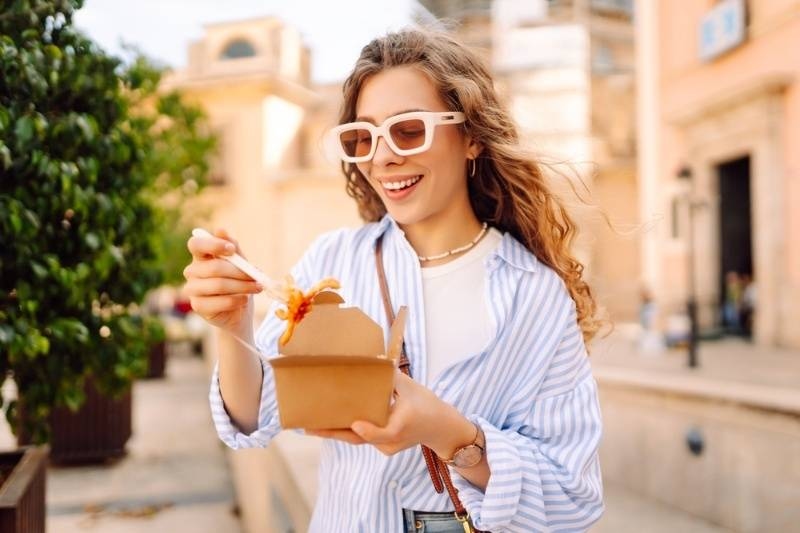
Finding authentic food is the fastest way to understand a new culture, but it rarely happens by accident. If you just walk out of your hotel and pick the first restaurant with an English menu, you are going to overpay for a mediocre meal. Learning how to explore local cuisine while traveling requires a proactive strategy to bypass the common tourist traps.
This guide provides a direct and step-by-step approach to discovering the best flavors that a destination has to offer.
Must Read: Best Travel Safety Items You Need for Safer Trips Today
Getting away from the "tourist menu" takes effort, but the payoff is worth it. Follow these steps to ensure every meal contributes to your travel experience.
Do not wait until you are hungry to start looking for food. Use food blogs and local social media tags to identify the specific dishes a region is famous for. Knowing the names of three or four must-try dishes gives you a starting point when you walk into a crowded market where nothing is written in your language.
Restaurants located directly next to the Eiffel Tower or the Colosseum do not have to be good; they just have to be there. Walk at least ten minutes away from the main square. You will notice the prices drop and the quality of the food improves almost immediately.
If a small, unassuming shop has a line of office workers stretching out the door at 1:00 PM, join that line. Locals do not wait in line for bad food. High turnover also means the ingredients are fresh because the kitchen is constantly moving through its stock.
Top Pick: U.S. Travel Insurance Coverage and Benefits Explained
You can experience local cuisine through authenticity by following the steps below:
Markets are the heartbeat of any food scene. This is where you see the raw ingredients that define the local palate. Watch what the grandmothers are buying and look for the stalls that specialize in just one or two items. A vendor who has spent thirty years making nothing but one specific type of noodle is almost always going to be a master of that dish.
The best review you can get is from a taxi driver, a hotel cleaner, or a shopkeeper. Ask them where they take their families for a Sunday meal. Avoid asking "Where is a good restaurant?" because they might suggest a place they think a tourist would like. Instead, ask "What is your favorite place to eat nearby?" to get the real answer.
A massive menu with fifty different items is a huge red flag. It usually means the food is frozen or pre-packaged. Authentic local spots usually have a small, handwritten board that changes based on what was available at the market that morning.
The fear of a ruined stomach keeps many people away from street food, but you can explore safely if you use common sense.
Street food is often safer than restaurant food because you can see exactly how it is being handled. Look for vendors who cook the food at a high heat right in front of you. Avoid anything that has been sitting out in a lukewarm display case for hours.
In many regions, the food is safe, but the tap water is not. Be careful with ice in drinks and raw vegetables that might have been washed in local water. Stick to bottled drinks and hot, cooked meals until you are sure your system has adjusted to the local environment.
Take ten seconds to watch how the vendor handles money and food. If they are touching cash and then immediately touching your bread with their bare hands, move to the next stall. Look for places where one person handles the payments, and another handles the cooking. It’s a simple detail that tells you how much they care about food safety.
Eating like a local is about more than just the food; it is about the timing and the etiquette of the destination.
In places like Spain, showing up for dinner at 6:00 PM is a mistake. The kitchen won’t even be turned on yet. You’ll end up sitting in an empty room with a limited "tourist menu." If you want the freshest food and the actual atmosphere, you have to eat when the locals do, even if that means waiting until 9:00 PM or later.
You don't need to be a linguist, but knowing the words for "spicy," "pork," or "bottled water" is a lifesaver. It stops you from accidentally ordering something you hate and helps you navigate markets where English isn't an option. Vendors usually give better service to people who at least try to use a few local words.
Don't be the person trying to swipe a credit card at a hole-in-the-wall noodle stall. Many of the best local spots are cash-only. Also, over-tipping in countries where it isn’t the norm just screams "tourist." Watch how the people at the next table pay—whether they go to a counter or leave change on the table—and just do what they do.
Eating your way through a new city is the best way to actually experience it. It takes a bit of effort to skip the easy tourist traps, but the reward is better food and lower prices. Do the homework and follow the local crowds. Make sure that you do not settle for mediocre meals just because they have an English sign out front.
It's usually fine as long as you use common sense. Look for stalls with a long line of locals—high turnover means the ingredients aren't sitting around getting warm. If you can see them cooking the food at high heat right in front of you, it’s often safer than a restaurant kitchen you can't see.
Get an "allergy card" printed in the local language. Trying to explain a nut allergy or a gluten intolerance with hand gestures is a recipe for disaster. Showing a clear, translated card to the server ensures there is no confusion about what can and cannot be in the dish.
They are worth it for the first day. A guide can take you to hidden spots you’d never find on Google Maps and explain exactly what you're looking at. Use the tour to get your bearings, then spend the rest of the trip exploring those same neighborhoods on your own.
This content was created by AI